
Opens in a new tab
Family-Owned Since 1973 • Licensed & Insured • Free In-Home Estimates • Serving All of Waukesha County
Basement Waterproofing · Waukesha County

Basement Waterproofing in Waukesha, WI
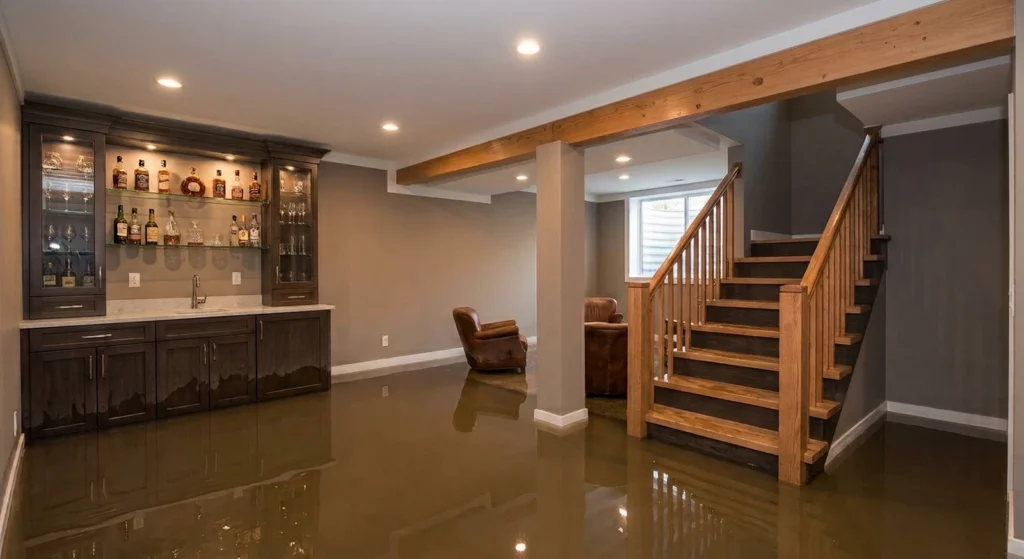
Water in the basement ruins finishes, invites mold, and puts everything stored down there at risk. We find where it's getting in and fix it — from the inside, the outside, or both.
Basement waterproofing work in a Waukesha County home

Stop the Water Before It Costs You More

Wisconsin's freeze-thaw cycles, spring snowmelt, and summer downpours put real pressure on basement walls. Hairline cracks, poor grading, and aging drain tile can all let water in — and the warning signs aren't always a puddle. Musty smells, white residue on the walls, or peeling paint can point to trouble long before you see standing water.
Waterproofing isn't one product. The right fix depends on where the water enters and why, so every project starts with finding the source instead of selling a system.

Thinking about finishing your basement? Solving moisture first is the best insurance for everything you build afterward.

Solutions We Offer

The Right Fix for the Real Problem

We match the solution to how water is actually getting in, whether that's one repair or several working together.

Interior Drain Tile

A perimeter drain that collects water at the base of the walls and carries it to a sump pump.

Sump Pumps

New or replacement pumps sized for your basement, with backup options for storms and power outages.

Crack Repair

Sealing foundation and wall cracks that let water seep through during wet weather.

Exterior Waterproofing

Excavating along the foundation to apply a waterproof membrane and improve drainage outside.

Grading & Downspouts

Correcting grading and extending downspouts so rain and snowmelt flow away from the house.

Humidity Control

Vapor barriers and dehumidification to keep below-grade air dry and comfortable.

Signs Your Basement Needs Waterproofing

Water after heavy rain or snowmelt

Damp spots along the floor edge or trickles down the wall after a storm are the clearest sign that water is finding a way in. Note when it happens — it helps pinpoint the cause.

Musty smells or sticky air

A basement that always smells damp usually has more moisture than it should, even if the floor looks dry. Left alone, that humidity feeds mold and damages anything stored nearby.

White, chalky residue on the walls

That residue, called efflorescence, is mineral salt left behind when water moves through concrete. It means moisture is passing through the wall, even if you've never seen it wet.

Cracks that grow or leak

Small shrinkage cracks are common, but cracks that widen, shift, or leak need attention. If you’re also planning a walkout or an egress window, we’ll handle drainage for those openings at the same time.

Our Approach

Diagnose First, Then Fix

01

Find the Source

We inspect walls, floor, grading, gutters, and drainage to pinpoint exactly how water is getting in.
02

Explain the Options

You get a plain-English explanation of the problem and an itemized plan — interior, exterior, or both.
03

Install & Test

We complete the work, then test the system to make sure water goes where it's supposed to.
Common Questions

Basement Waterproofing FAQs

Get to the Bottom of Your Wet Basement

We'll inspect your basement, show you where the water is coming from, and give you a free, itemized plan to stop it.